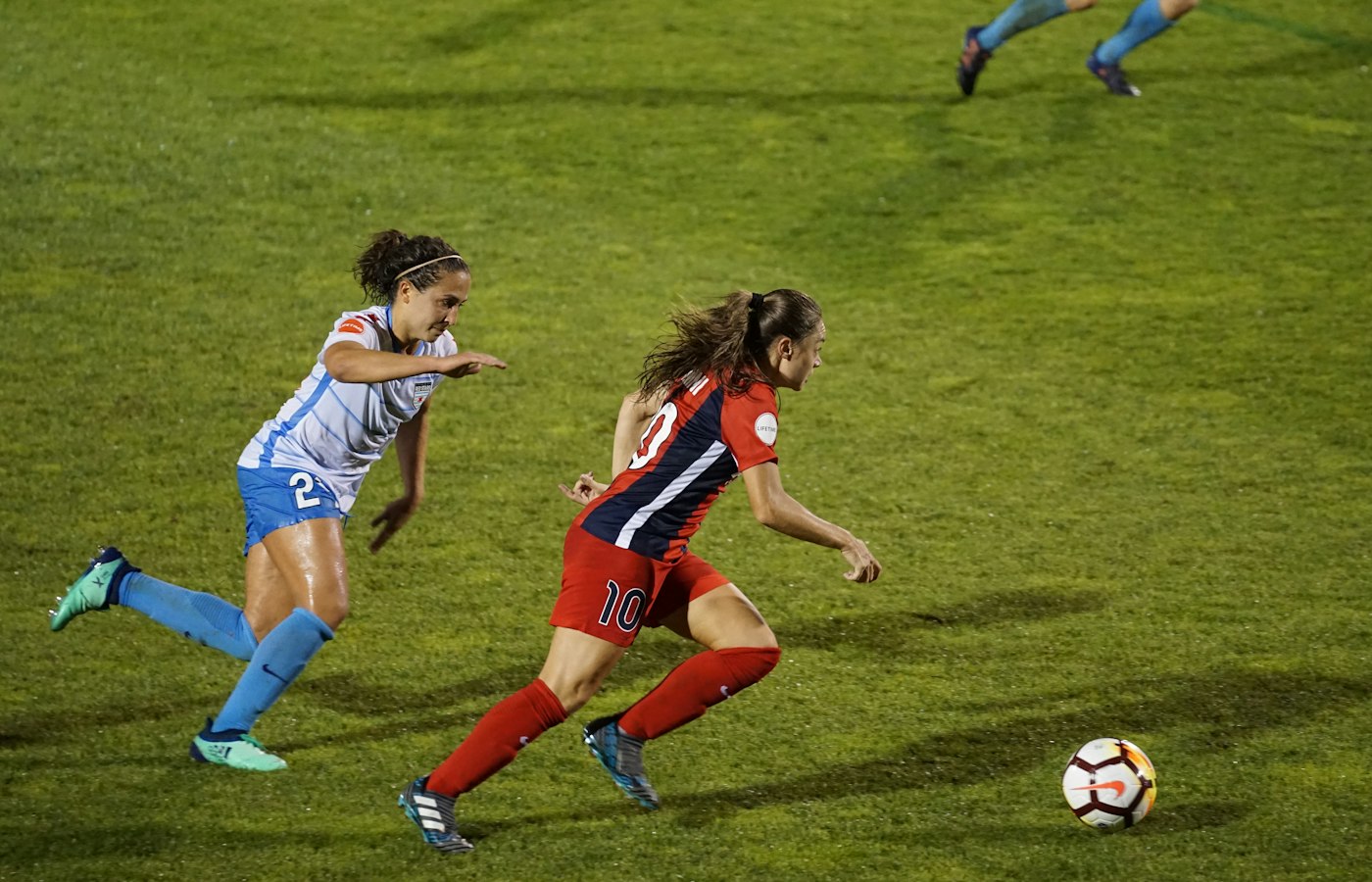
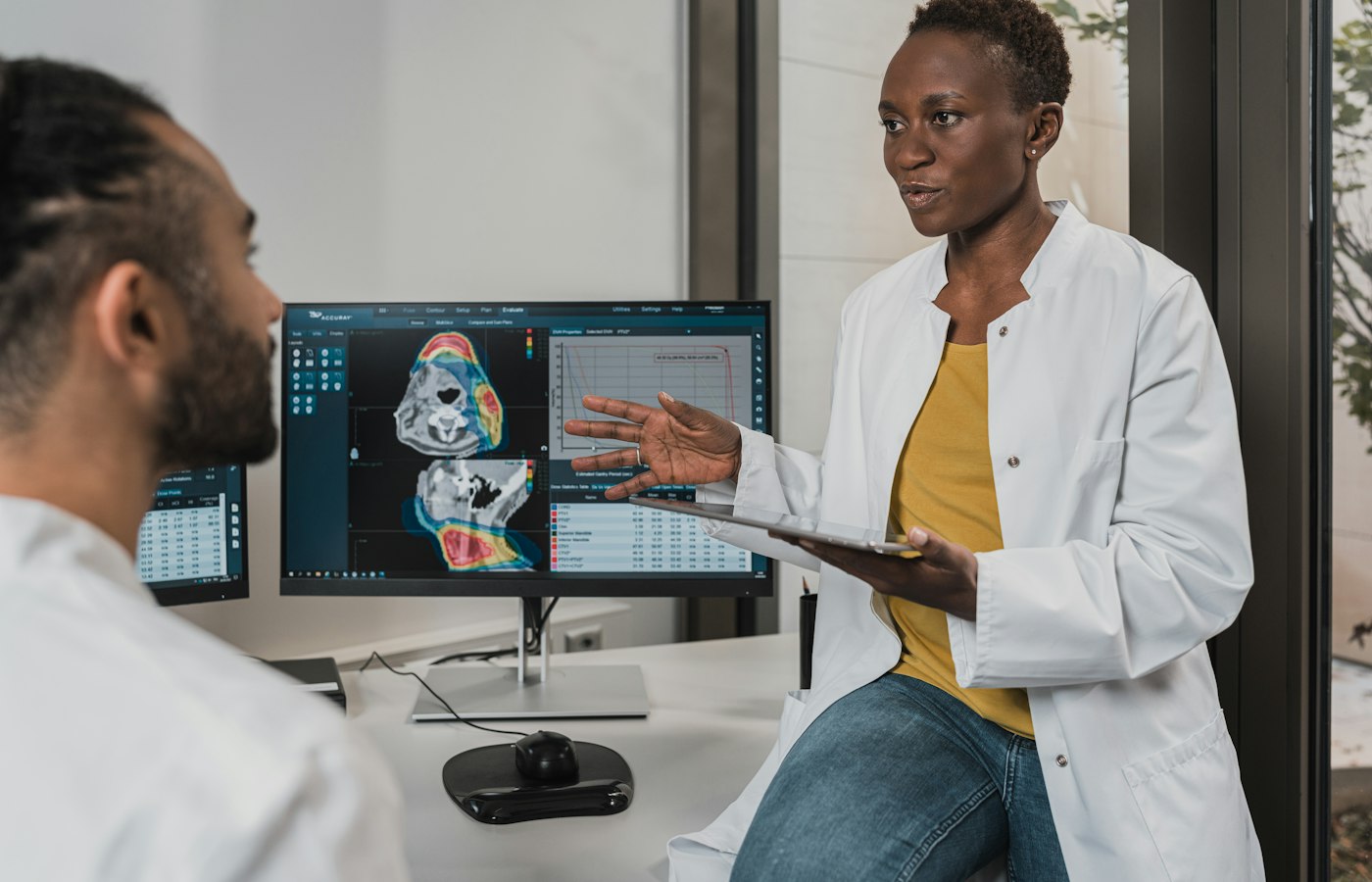







Each athlete is read against her own last month. For Women's Sports Teams and Women's Health Clinics.

For Women's Sports Teams

The morning roster against her own range.

Her last four weeks, not the squad average. Cycle next to load. If clinic wrote overnight, it is on Friday's session.

For teams

For Women's Health Clinics

Last week's load is already on the chart.

Whoop, the labs, and last week's sessions are assembled before you sit down. You review the PDF before any number counts. The note you write lands on the program.

For clinics

Pulse OS

Each athlete is read against her own last month.

On a women's program, the morning still starts in Whoop, a Garmin export, and last week's notes. Pulse OS opens the roster against each athlete's own trailing month, with cycle next to load. Pulsey can pull that list. Bloodwork stays off the coach's screen.

Sensors and clinic kit

  • Whoop
  • Oura
  • Garmin
  • Polar
  • Apple HealthApple Health
  • Strava
  • Fitbit
  • Google FitGoogle Fit

Built for women's sports teams, women's health clinics, and collegiate programs

  • Women's Sports Teams
  • Women's Health Clinics
  • Sports Medicine
  • National Federations
  • Collegiate Programs

Pulsey

Pulsey, an autonomous physiological agent.

Most assistants wait for someone to open a chat. Pulsey lives on the Pulse OS record and starts the morning itself: a notification, a text, or the app. It reads cycle, load, and clinical history against her own trailing window, cites the numbers it used, and will not diagnose.

  • Athletes

    It checks in

    A notification before she opens anything. Pulsey asks how last night landed, from her own last month, and can log how something felt in her words.

  • Coaches

    The list comes to you

    Pulsey can push who moved off her own range before first session. You can answer from the app or a text. It cannot return bloodwork.

  • Athletic trainers

    Before first session

    The overnight list, with phase next to the reading. Soft-tissue notes from clinic land on Friday's session. Labs stay with the clinician.

  • Clinicians

    The brief arrives first

    Pulsey can assemble wearables, the week, and lab PDFs before you sit down. A value from a PDF stays in review until you approve it.

Pulsey checks in from stored readings and is not a clinician. In-app text is in the product today.

9:41

Pulsey

Checked in · Pulse OS

Notification · Now

Amara is the one I would start with this morning.

Morning. Amara is the one I would start with. Her HRV has been 13 ms under her own median for three days. Want the rest of the list?

From roster HRV and each athlete's trailing median.

The morning list arrived before you asked. Specimen on stored Amara readings. Pulsey is not a clinician. Lock screen and SMS are wireframes.

The two desks

Performance and clinic on the same athlete record.

The coach writes the week. Clinic writes the note. Both should be looking at the same person.

High-performance and athletic training

The morning board, before first session

Most mornings still start in Whoop and a spreadsheet. The roster is already sorted against each athlete's own last month. You still write the week. If clinic left a hamstring note overnight, it is on Friday's session.

  • Her last four weeks, not the squad average
  • Cycle next to HRV and load
  • Ask Pulsey from the stored readings

Sports medicine and physio

The visit-ready chart

The first ten minutes of clinic should not be spent reconstructing load from three apps and a PDF. Whoop, the labs, and last week's sessions are there when you sit down. VALD, InBody, a Dexcom, a DEXA file: that is the clinic kit you already own. We do not take those yet. A value from a PDF does not count until you have looked at it.

  • Wearables and labs on the same page as the note
  • Approved labs on the same page as the week
  • The coach cannot pull the bloodwork

The platform

Coach and clinic, on the same athlete.

The coach writes the week. Clinic writes onto it.

Pulse OS

Morning roster

Amara Osei

Needs a look

HRV is below her own trailing range. Cycle is context. Labs are not in this query.

Pulsey overnight list

Amara below her own HRV median for a third day. Priya at 1.6x usual load. Nadia unsynced four days. Ask Pulsey for the list. Bloodwork stays out.

Readiness
51
HRV
48 ms
Sleep
5.9 h
Phase
Late luteal

HRV vs her 28-day median

48ms

Session load this week

36

SMTWTFS

Her week · you wrote this

Open a session for load and the recovery that followed.

Coach desk. The week is written here. Clinician notes land on the session they change. Labs stay out of this query. Illustrative specimen.

Sensors and clinic kit

The hardware a program already owns.

Wearables and lab PDFs come in now. Firstbeat is the chest strap on that same list. Catapult, STATSports, KINEXON, Polar Team Pro, and PlayerData are the pitch units. VALD, Output, Plantiga, and Runeasi are the gym and rehab hardware. Dexcom, Libre, CORE, Moxy, Nix, MX3, and FlowBio are the biosensors: glucose, core temp, sweat rate, and fluid balance. InBody, Hologic, and GE Lunar are the body-comp kit. Quest, Labcorp, LifeLabs, and Dynacare show up as a PDF. Epic and Cerner stay the hospital record.

  • CatapultVector / ClearSky
  • STATSportsApex
  • KINEXONUWB / LPS
  • PolarTeam Pro
  • PlayerDataGPS
  • Whoop
  • Oura
  • Garmin
  • Polar
  • Apple HealthApple Health
  • Strava
  • Fitbit
  • Google FitGoogle Fit
  • FirstbeatChest strap
  • VALDForceDecks / NordBord
  • OutputVelocity
  • PlantigaSmart insoles
  • RuneasiRunning gait
  • DexcomCGM
  • FreeStyle LibreCGM
  • COREBody temp
  • MoxyNIRS
  • NixSweat
  • MX3Hydration
  • FlowBioSweat
  • Lab PDFsUploaded report
  • LabcorpPDF, not live
  • LifeLabsPDF, not live
  • DynacarePDF, not live
  • InBodyBIA
  • HologicDEXA
  • GE HealthCareDEXA Lunar
  • EpicHospital EHR
  • CernerHospital EHR

In practice

How staff use Pulse OS.

Sorted against her own range

Attention, watch, steady, or no data. You open the ones that moved, not eighty charts because someone built a dashboard.

Labs, load, and symptoms on one clinical review

Approved biomarkers, training load, and symptoms on one screen for clinical review. That is REDs triage. It is not a diagnosis.

The coach cannot pull the labs

The athlete grants each role. Bloodwork does not come back in a coaching query. The note clinic wrote is on the session you are both looking at.

Headless API

The same record, without the UI.

The same wearables and lab reports the product runs on, in one schema, with UCUM units and provenance on every reading. Access is granted per integration. There is no public sandbox yet.

  • One name and one UCUM unit per measurement
  • Provenance on every row
  • Gaps stay gaps. Nothing is interpolated.

GET /v1/people/9f2c41e8/observations

{
  "person_id": "9f2c41e8",
  "local_date": "2026-09-15",
  "observations": [
    {
      "concept":    "hrv.sdnn",
      "value":      45.8,
      "unit":       "ms",
      "baseline":   { "median": 61.2, "spread": 3.00, "n": 27 },
      "deviation":  -5.13
    },
    {
      "concept":    "cycle.phase",
      "value_text": "follicular",
      "context_only": true
    },
    {
      "concept":    "lab.glucose_fasting",
      "value":      4.8,
      "unit":       "mmol/L",
      "review":     "approved"
    }
  ]
}

Comparison

Compared with a spreadsheet and a generic EHR.

FeatureLegacy EHR / Athlete SystemsPulse OS
Female physiologyA period log on a men's productPhase next to load and HRV
Finding the overnight flagsSpreadsheet, or twelve loginsRoster sorted against her own range
The start of clinicRebuilding the week from Whoop and a PDFChart already there when you sit down
The clinical noteGeneric EHR, sport as an add-onSOAP beside labs, wearables, body map
What the coach can seeAll or nothingAthlete grants the role. Labs stay out.
REDsA spreadsheet after the visitFerritin, load, and symptoms on one screen