
Soccer
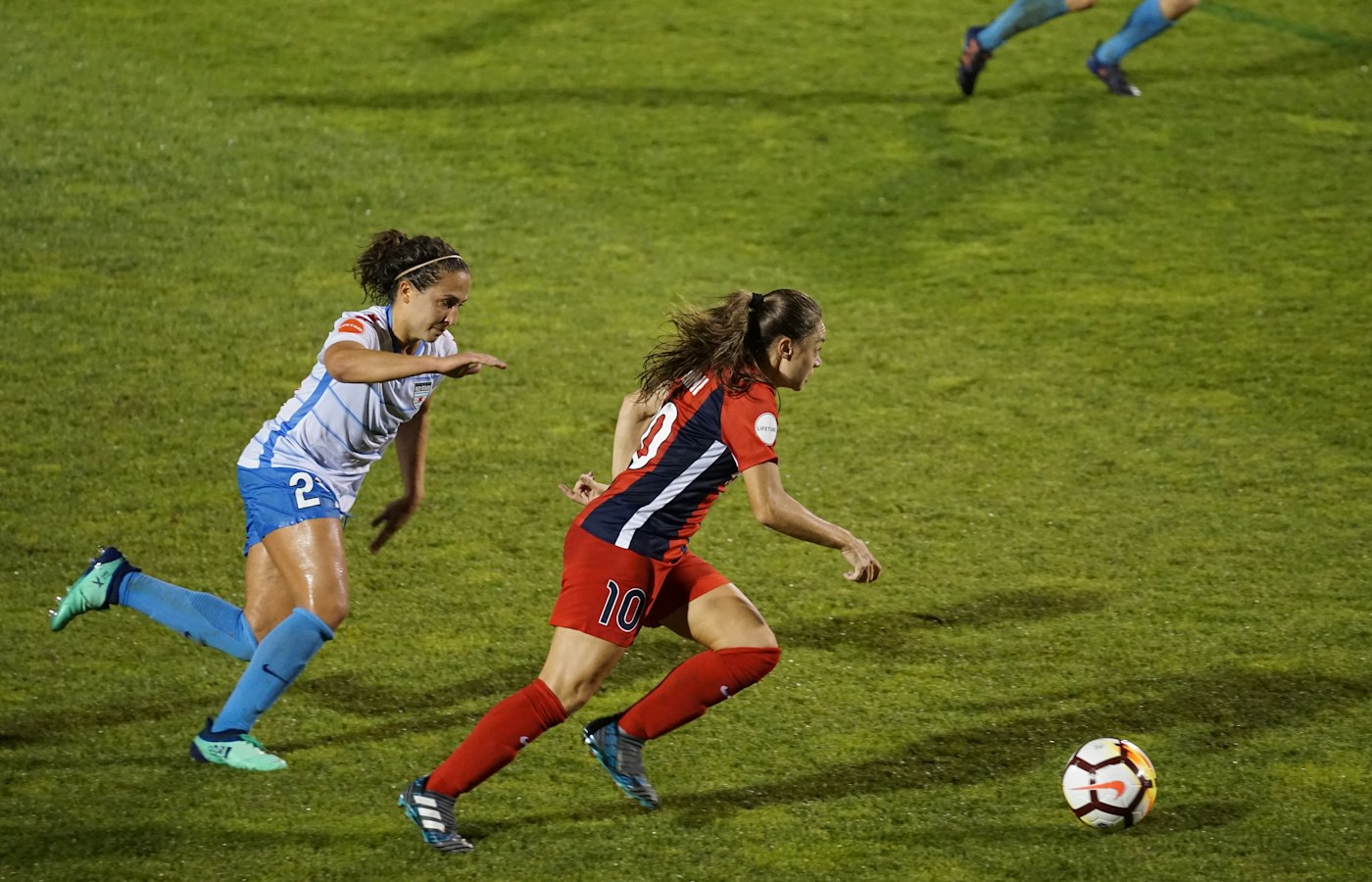
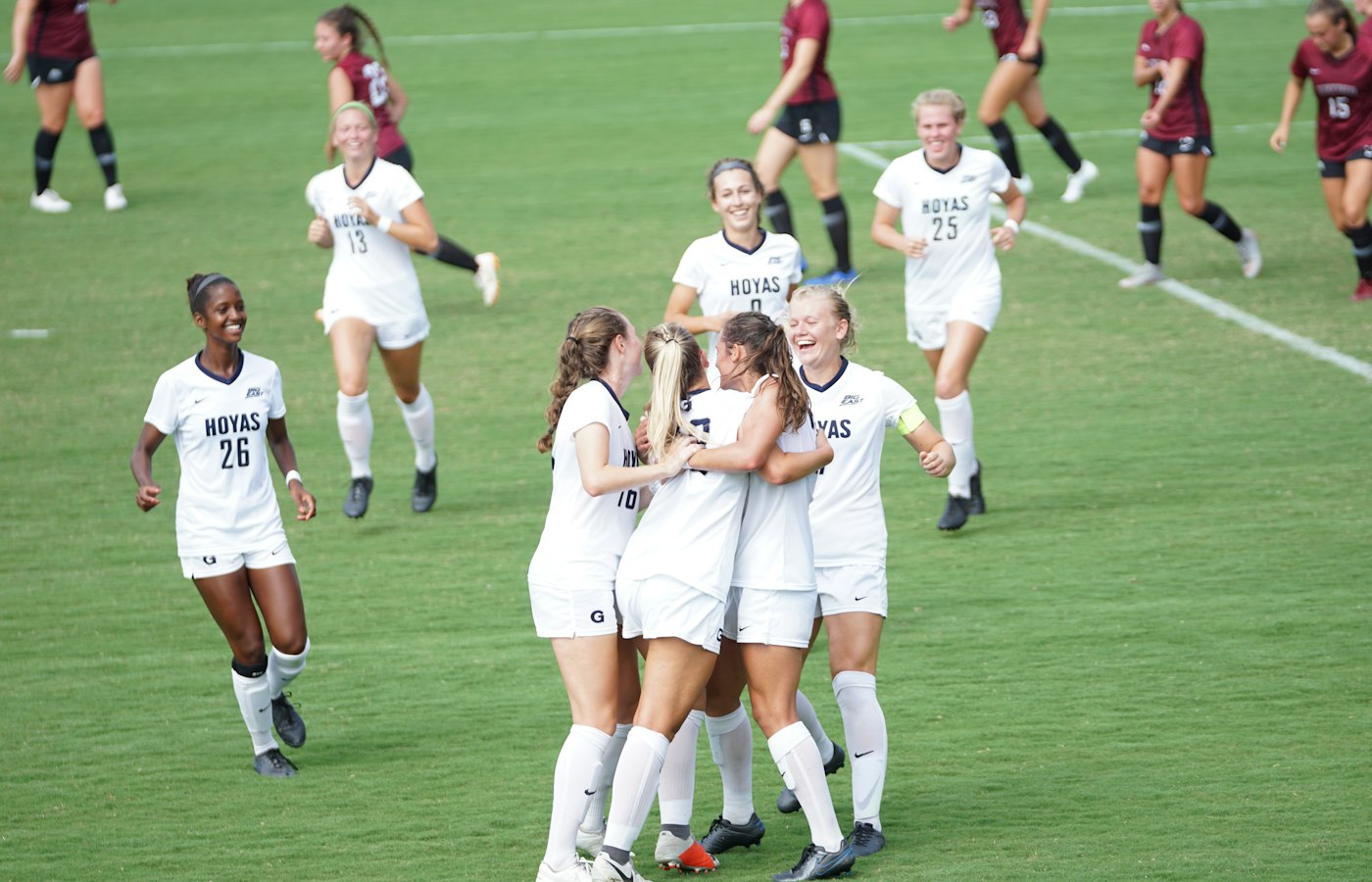
A heavy week shows on the women actually carrying it. Cycle sits beside load. A hamstring note from clinic lands on Friday's session, not in a side channel.
Women's sports teams
Soccer, basketball, tennis, running, track, rugby, volleyball, field hockey. Most athlete-management systems were built on male physiology and a squad average. Pulse OS compares each athlete to her own trailing baseline, puts cycle phase beside load, and keeps clinical records out of a coach's query.
A heavy week shows on the women actually carrying it. Cycle sits beside load. A hamstring note from clinic lands on Friday's session, not in a side channel.
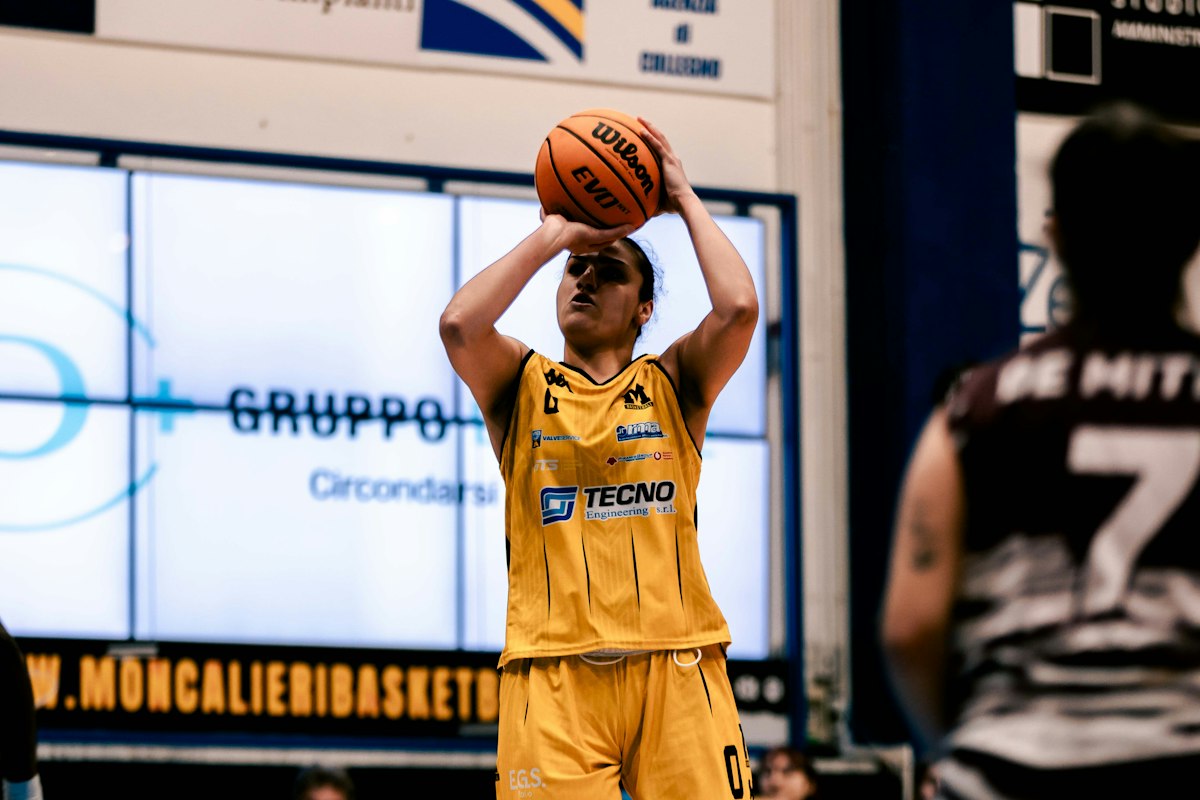
Jump load and travel pile up against her own range, not a roster mean. High-strain days sit next to cycle phase so the plan can change with the reason attached.
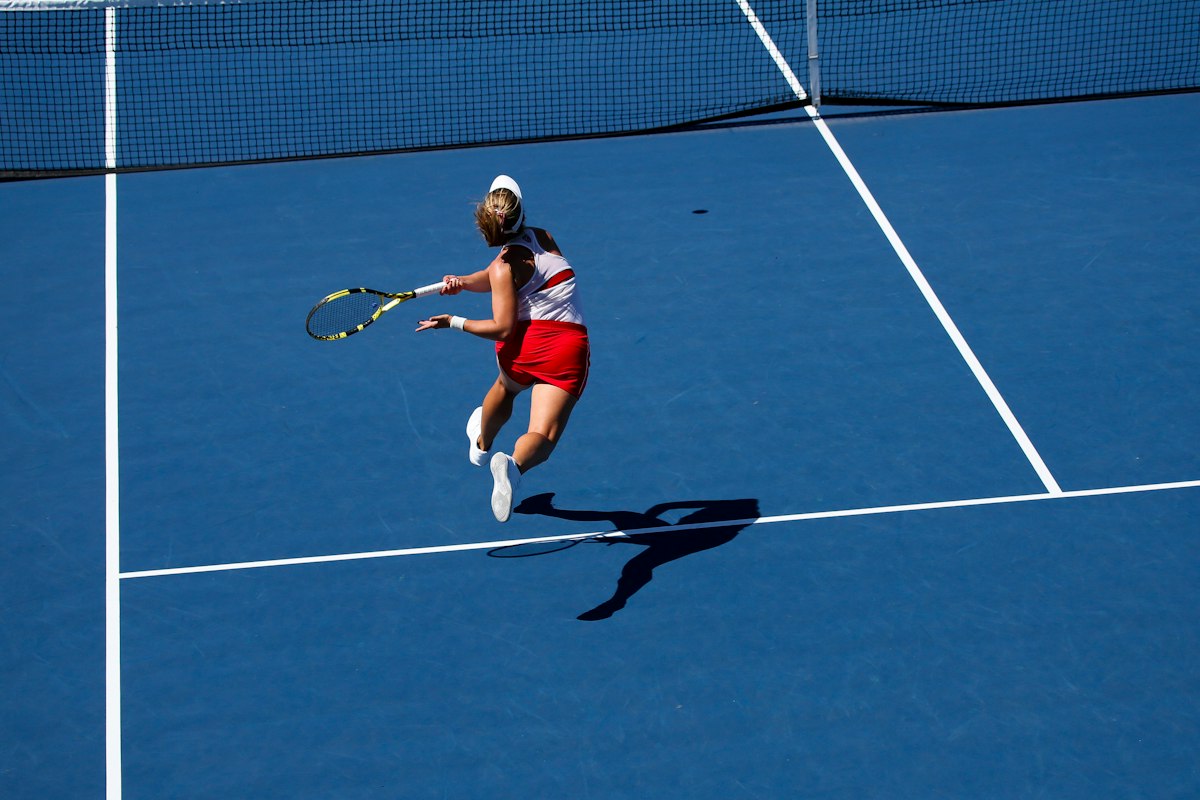
Match density and travel are one woman's week. There is no squad average to hide behind. The coach writes the sessions. Sports medicine writes onto the same record.
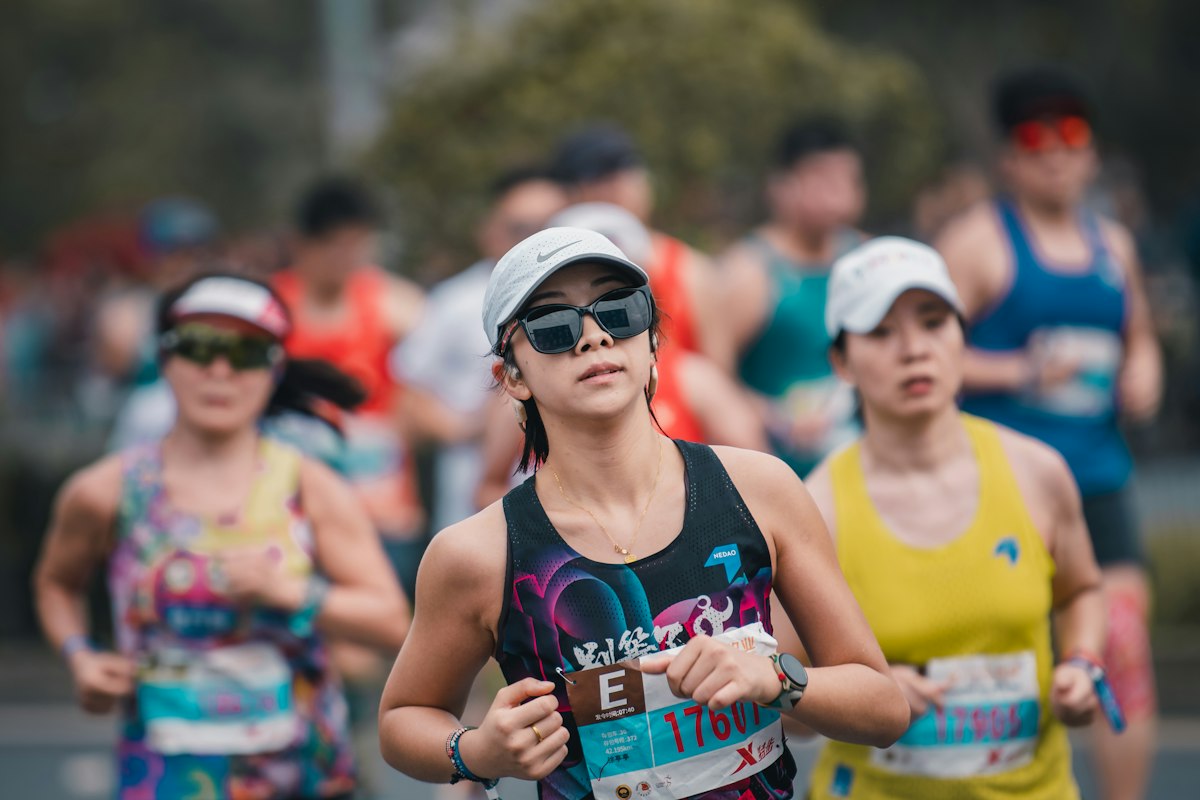
Mileage and race load sit against her own range, not a group mean. Iron and amenorrhea stay with the clinician. The coach sees the week, not the labs.

Periodization is read against her trailing window. REDs triage is a clinical row, not a score on a coach dashboard.
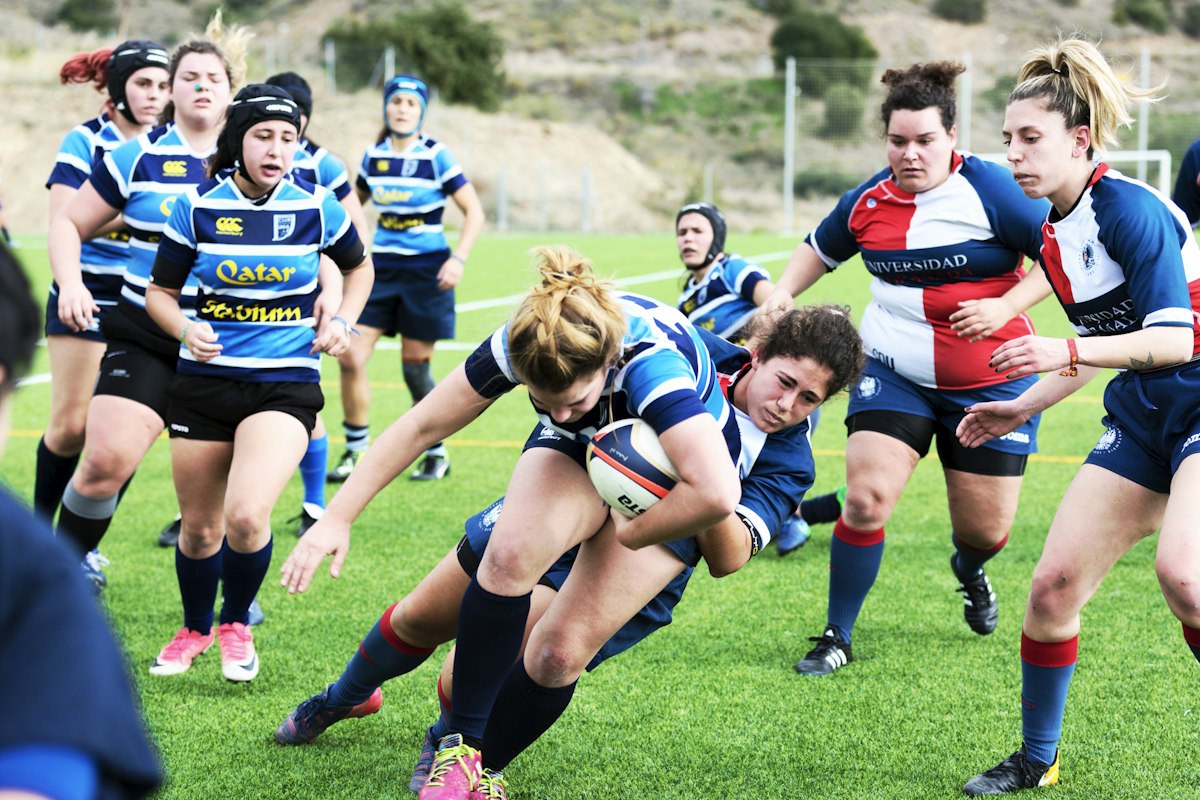
Collision weeks and recovery share the person the S&C coach programs. Medical notes land on the session. Labs do not.
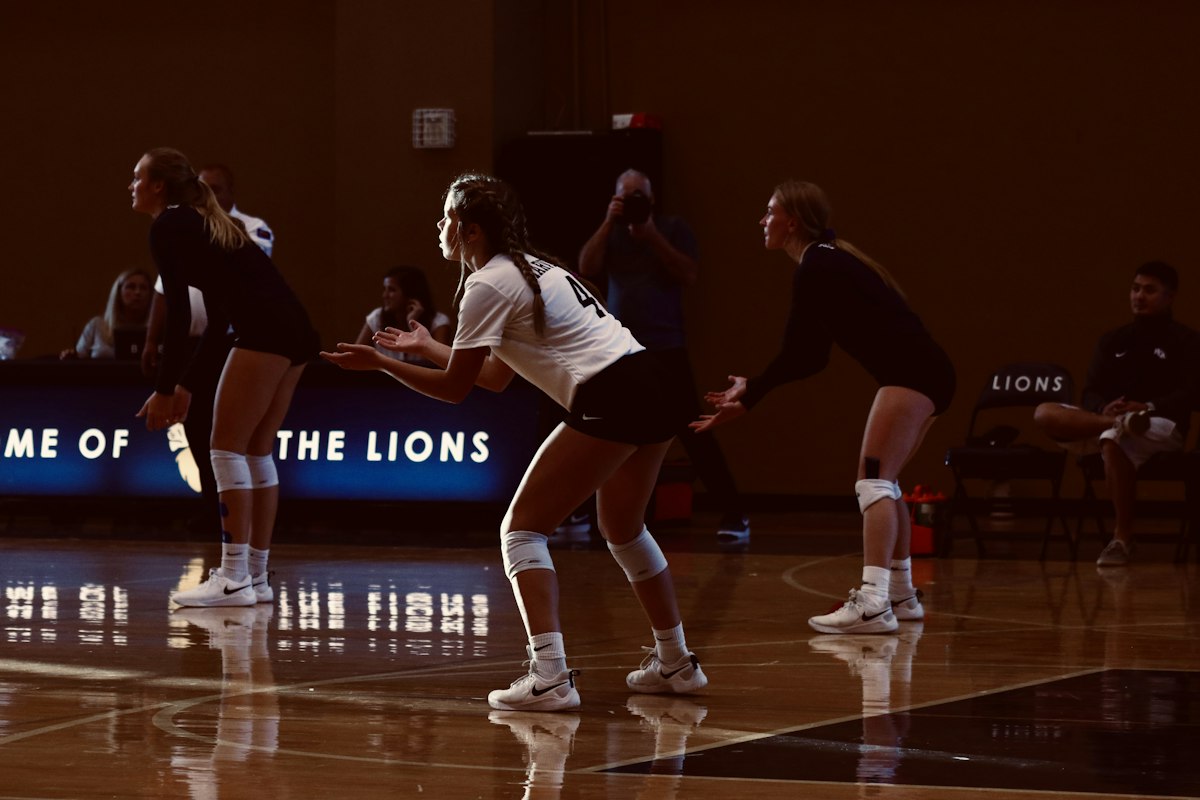
Jump load and shoulder notes sit on the same week. Cycle is context for the plan, not a wellness score.
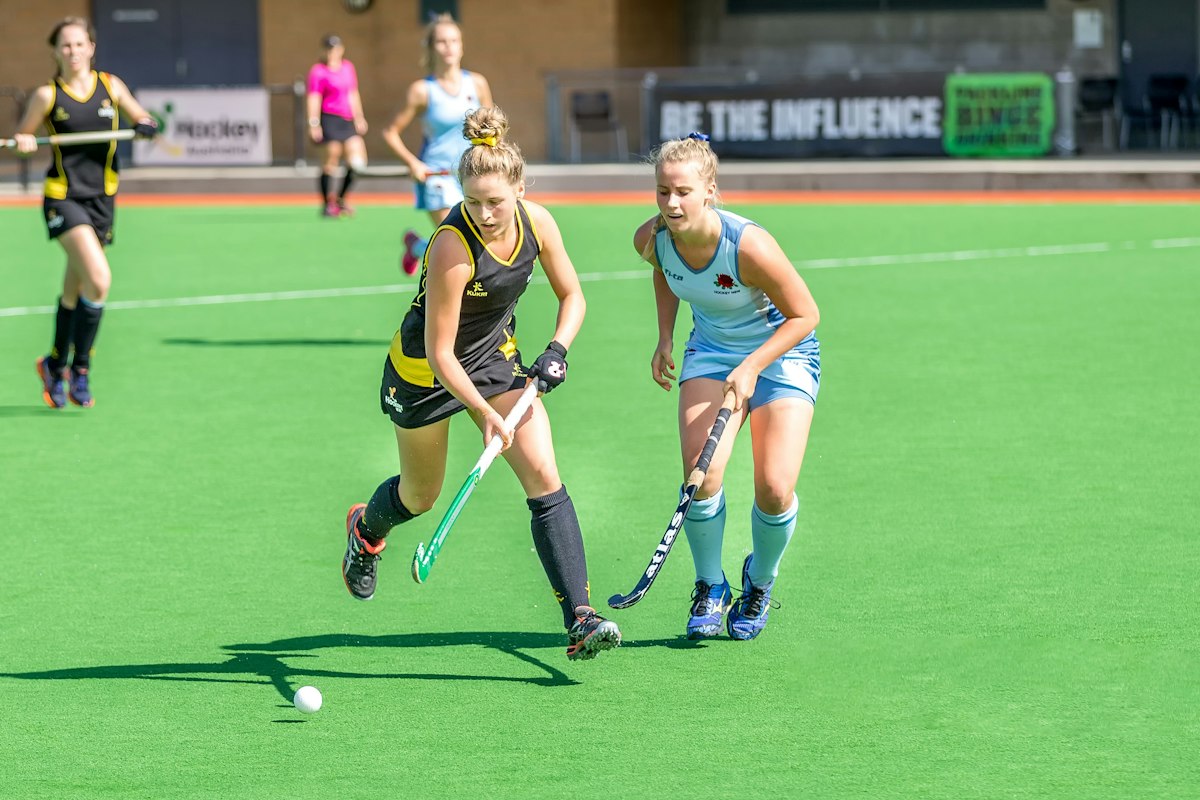
Repeated sprint load and soft-tissue notes on one person. Coaching staff see readiness. The clinic sees the chart.
What is different
A heavy week shows up on the athletes actually carrying it. Comparisons use each woman's own window, spread, and coverage, so a squad average cannot hide the one who is running out of room.
Phase sits next to HRV, sleep, and load. It is not a wellness score and not a period log bolted onto a male-default stack.
Sensitivity is enforced when data is requested. Bloodwork does not return in a coaching query. The athlete grants each staff role.
How staff use it
01
Sleep, symptoms, and readiness land before the first session, from devices she chooses to connect.
02
Performance staff open a roster sorted by what changed, without clinical rows in that view.
03
Volume, intensity, or recovery is adjusted with the evidence attached, so medical staff can see the same person under a different role.
Pulse OS
Amara Osei
HRV below her range
Priya Raman
Load vs her 28-day
Maya Lin
Inside her range
Sofia Marchetti
Inside her range
Nadia Haddad
Last synced 4 days ago
Variability well below her own range for a third day.
Last reading 2026-09-18 · Device oura · Cycle day 2
HRV vs her 28-day median of 61 ms
Bloodwork · 5 results · 2 outside range
| Result | Value |
|---|---|
| Estradiol | 184 pmol/L |
| Progesterone | 28.4 nmol/L |
| Luteinizing hormone | 6.2 IU/L |
| Ferritin | 18 µg/L |
| Haemoglobin | 121 g/L |
Performance staff opening the same person see readiness, not this bloodwork.
For the performance department
The morning roster is already sorted by who moved off her own range. Staff open the women who need a look, with phase beside every reading.
Volume and intensity are planned against phase windows and recovery, with a record of why the plan changed.
Neuromuscular fatigue is flagged before high-strain plyometrics. That is a signal for staff, not a promise that injury rates will fall.